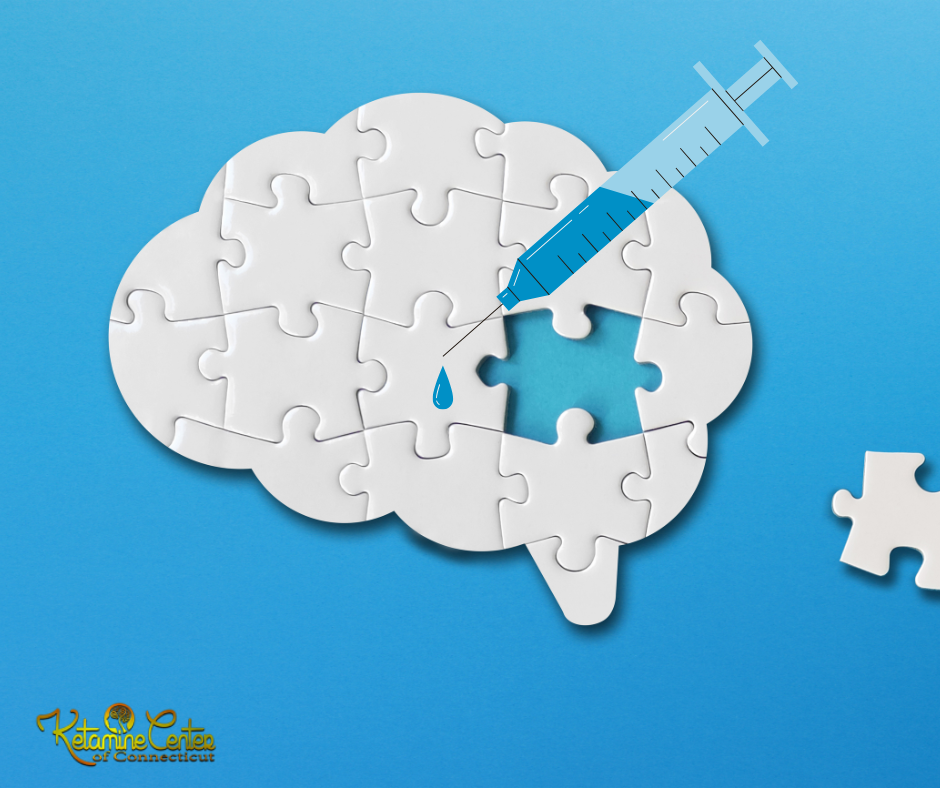
Researchers believe that depression may partly stem from disrupted communication between nerve cells in areas of the brain responsible for regulating mood. Studies suggest that individuals with long-standing depression may have fewer synapses the connections that allow brain cells to send signals to one another.
Source 

How Ketamine “Reshapes” the Brain

This naturally raises important questions:

How Ketamine “Reshapes” the Brain

Under medical supervision, ketamine infusion therapy has been observed to help restore activity in existing neural pathways while also encouraging the development of new connections. By strengthening communication between brain cells, this process may help interrupt persistent negative thought patterns and support improvements in mood. Because these neural networks are being reinforced, some patients find that treatments that previously did not help may become more effective after ketamine therapy.

Early clinical research, including a study conducted at Yale University School of Medicine in 2000, reported that ketamine significantly reduced symptoms of depression in some participants within hours, with benefits lasting several days for certain patients. More recent research has continued to explore these effects, suggesting that when administered and monitored by trained medical professionals, ketamine may offer relief for people whose depression has not improved with traditional treatments.

Ketamine can be delivered in several forms—including oral medications, nasal sprays, and injections—but intravenous (IV) infusion remains the most widely studied method. Many patients undergo a series of infusion sessions, and the timeline for symptom relief can vary, sometimes ranging from less than a week to several weeks depending on individual response.

The duration of treatment may differ from person to person. Some individuals may require periodic sessions over time, while others may only need treatment during certain periods of care. Because ketamine therapy is not always covered by insurance plans, the financial cost can also be a consideration for patients exploring this option.

What Are the Side Effects of Ketamine Therapy?

Ketamine works by blocking certain receptors in the brain, which can produce a dissociative experience sometimes described as a “trip.” During treatment, some patients report sensations such as euphoria or altered perceptions of their body, including the feeling of floating.

Along with these effects, some individuals may experience temporary side effects such as nausea, dizziness, headache, drowsiness, blurred vision, mood changes, sensitivity to light or sound, and a short-term increase in heart rate and blood pressure. In most cases, these symptoms fade within about 30 minutes after the infusion ends, although some people may notice effects lasting slightly longer.

Long-term or repeated ketamine use may also carry risks, including bladder irritation, urinary issues, and potential liver toxicity in some patients. Because of these possible side effects, treatments should always be performed under the supervision of trained medical professionals in a controlled clinical setting. Proper monitoring helps ensure patient safety and allows providers to manage any reactions that may occur.

If you would like to understand what happens during treatment and how patients are monitored throughout each session, you can learn more about the process here:

Our Process


Who Is Eligible for Ketamine Therapy?

Ketamine infusion therapy may be an option for patients with treatment resistant depression that has not improved with traditional treatments such as medications and psychotherapy. However, an equally important question is who may not be a good candidate for this type of therapy. In some individuals, the risks of ketamine treatment may outweigh the potential benefits, particularly when certain medical conditions or risk factors are present.

These may include:

  • Cardiovascular disease including hypertension, angina, heart rhythm disorders, or a history of heart attack or stroke
    • Hyperthyroidism
    • Severe liver disease
    • Certain psychiatric conditions such as delirium, acute psychosis, or schizophrenia
    • Alcohol or substance abuse
    • Pregnancy
    • Mobility limitations

Patients should discuss their personal health history and potential risks with a qualified medical professional before beginning ketamine therapy. A thorough medical evaluation helps determine whether this treatment is appropriate and safe for each individual.

For a more detailed explanation of who may or may not be eligible for treatment, you can read more here:
https://www.ketaminecenterofct.com/blog/can-anyone-receive-ketamine-therapy/

Information about these contraindications and precautions is also discussed in ketamine therapy resources and clinical guidance from treatment providers.

https://www.ketaminecenterofct.com/blog/what-is-ketamine-infusion-therapy/?utm_source=chatgpt.com 

Coclussion

Ketamine infusion therapy has emerged as a promising option for individuals struggling with treatment resistant depression. While traditional antidepressants can take weeks to show results, ketamine may provide faster relief for some patients when administered in a medically supervised setting.

However, this treatment is not appropriate for everyone. Careful screening and professional oversight are essential to ensure safety and determine whether ketamine therapy is the right option for each individual. Patients should always discuss their medical history, current medications, and treatment goals with a qualified provider before beginning therapy.

For individuals considering this treatment, understanding how the therapy works and what to expect during each session is an important first step. You can learn more about how ketamine therapy is administered and monitored here:

Our Process

Is ketamine available at Ketamine Center of Connecticut?

Ketamine treatment is available at our two Connecticut locations:

232 Boston Post Rd Suite 13, Milford, CT 06460
1720 Post Rd E Suite 222, Westport, CT 06880

Treatments are strictly supervised by a board-certified physician, Dr. Gino Ang. Ketamine is prescribed only for adults with major depressive disorder who have not responded adequately to at least two different antidepressants. All treatment sessions are conducted in a controlled clinical environment, and Ketamine is administered under the physician’s direct supervision.

Patients must follow strict protocols:

  • Ketamine is prescribed and monitored only by a qualified physician.
  • Treatment is delivered in-office with continuous medical oversight.
  • Use of ketamine outside this controlled setting is unsafe and not permitted.

If you are experiencing symptoms of depression and want to explore ketamine treatment, please contact us to schedule a consultation at our Milford or Westport clinic. All care is personalized to ensure safety, efficacy, and adherence to clinical guidelines.

Take the Next Step Toward Relief

If you’ve been searching for a treatment that offers real, rapid, and lasting improvement even when other options haven’t helped ketamine therapy may be the answer. Our team is here to guide you with compassion, expertise, and personalized care every step of the way.
Scroll to Top