What to expect: your ketamine journey, step by step.

From your first consultation to your final infusion, here’s exactly how anesthesiologist-led IV ketamine therapy works — what happens, what it feels like, and how we keep you safe at every stage. Calm, private, and supervised the entire time.

At Ketamine Center of Connecticut, we specialize in offering transformative Ketamine Infusion Therapy, guided by our mission to provide safe and effective treatment options for individuals battling various mood disorders. Our experienced team is dedicated to ensuring a comfortable and supportive environment for every patient.

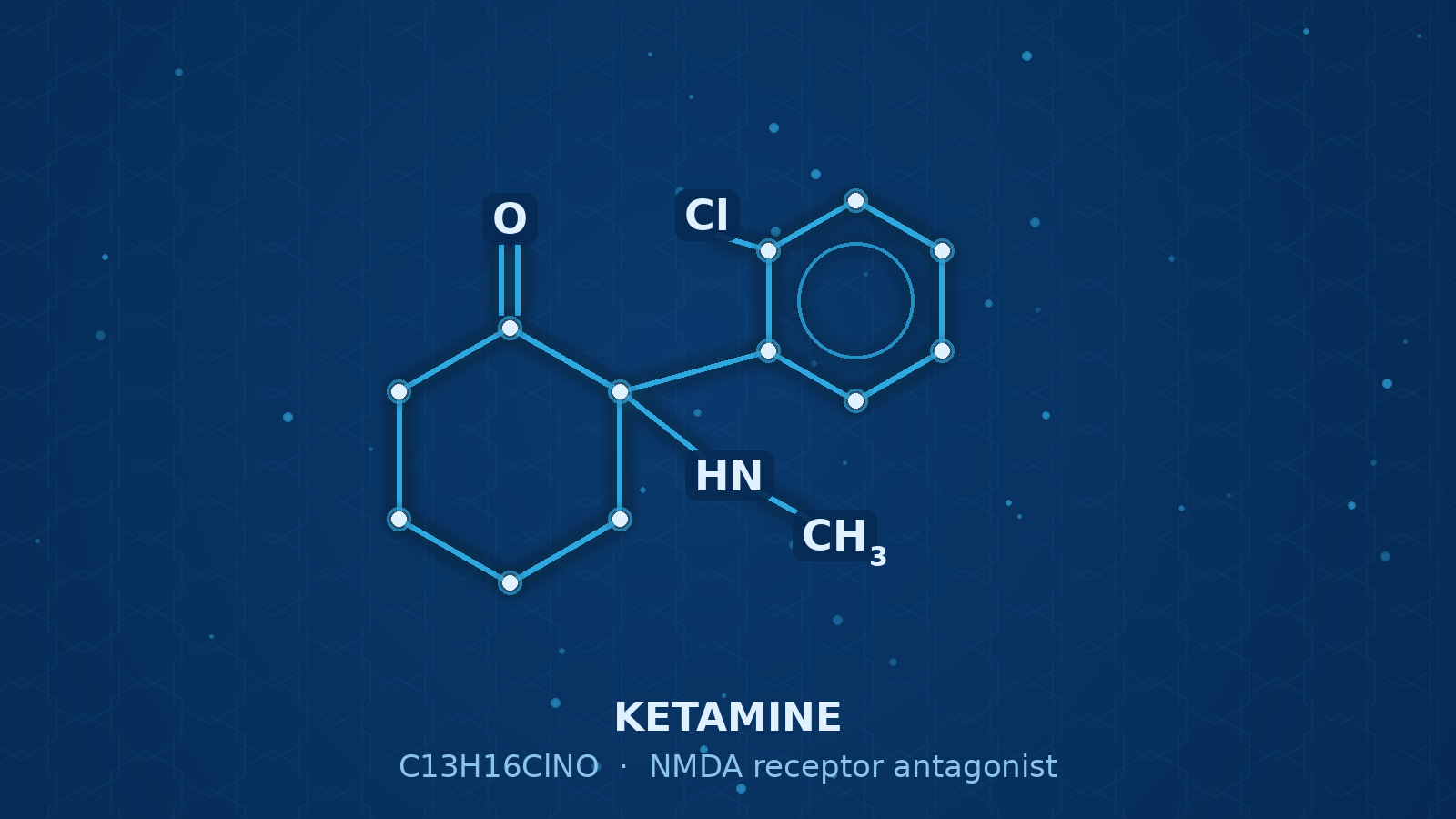
ketamine-molecule-science
First, what ketamine actually is

Ketamine Overview

Ketamine, listed on the World Health Organization’s Essential Medicines List since 1985, serves as a reliable anesthetic and analgesic agent. It is known for its safety, as it does not induce respiratory depression or hypotension, common side effects associated with other anesthetics. Recent studies, including those conducted by the National Institute of Mental Health (NIMH), have highlighted its rapid and robust effectiveness in treating Major Depressive Disorder, especially when other treatments have failed. Ketamine acts swiftly, potentially alleviating symptoms within hours or days, eliminating the usual 6-8 weeks wait associated with most antidepressants.

Listed as an anesthetic — decades of global clinical use.

Responders often notice a shift within 24–48 hours.

A different mechanism than the medications many patients have already tried.

Ketamine for psychiatric conditions is an off-label use, delivered here at precise sub-anesthetic doses under medical supervision.

The treatment plan

Ketamine Infusion Therapy Procedure

Please arrange for someone to drive you home — you should not drive or operate machinery until after a full night’s sleep, as the treatment temporarily affects coordination and alertness. Wear comfortable clothing with loose sleeves to make room for the cardiac monitor leads and IV.

clock Icon

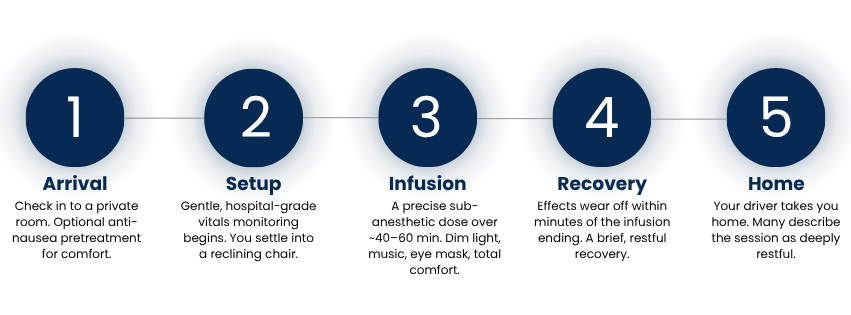
Arrival:

Your vital signs are checked, and you may be offered pretreatment medication for nausea, which a minority of patients experience during or after infusion.

icon We provide personalized care for patients aged 12 and up at our Milford and Westport clinics.

Setup:

You'll settle into a comfortable private room, where your heart rate, blood pressure, and oxygen levels are monitored throughout the procedure.

icon We provide personalized care for patients aged 12 and up at our Milford and Westport clinics.

Infusion:

A thin IV catheter is placed in your arm, wrist, or hand — most patients feel only a brief pinch — and the ketamine is administered slowly.

clock Icon

Duration:

The infusion itself lasts about 45 minutes for mood disorders, and longer for chronic pain protocols.

After the infusion:

Effects typically ease within the hour; you'll stay until our team clears you to leave. Plan a quiet evening — many patients feel tired."

What to expect

A calm, private experience start to finish

A thin IV, a dim room, and a clinician beside you the whole time. Most mood infusions take about 40–60 minutes.
5 step-by-step process
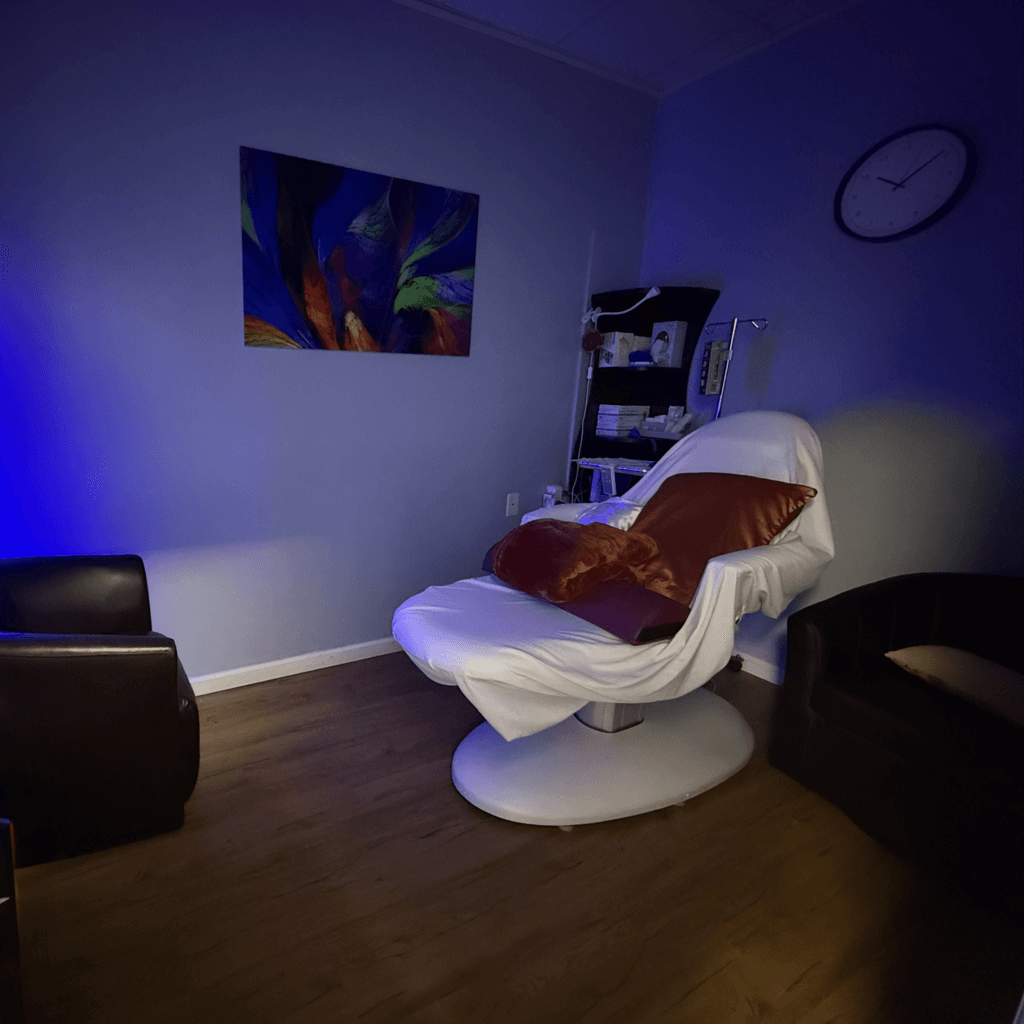
Room in blue light
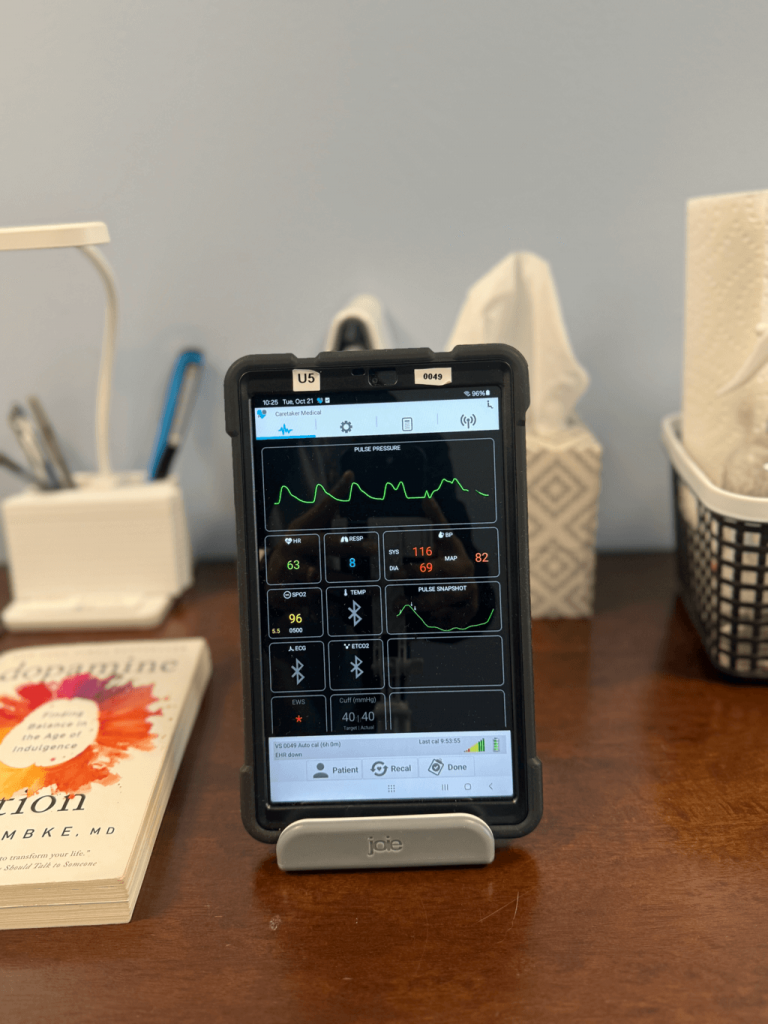
Monitor
What to expect

A calm, private experience start to finish

A thin IV, a dim room, and a clinician beside you the whole time. Most mood infusions take about 40–60 minutes.

A carefully controlled experience

The dose is deliberately sub-anesthetic — far below anesthesia, and nothing like recreational use. Experiences vary: many patients describe a dreamlike, floating sensation, and some find it deeply restful. If anything feels uncomfortable, your dose can be adjusted in real time.

Calm, controlled "set and setting"

A private room with a reclining chair, dim lighting, noise-canceling headphones with curated music, and an eye mask. The environment is built to help you feel safe and settled.

Supervised the entire time

You’re monitored on hospital-grade equipment from start to finish by our anesthesiologist-led clinical team. Most patients feel clear-headed within the hour, and you’ll stay with us until you’re ready to leave.

What to expect

A calm, private experience start to finish

A thin IV, a dim room, and a clinician beside you the whole time. Most mood infusions take about 40–60 minutes.

Arrange a driver

You won’t be able to drive for the rest of the day, so please arrange for someone to take you home after your infusion.

No solid food 4 hours before

You won’t be able to drive for the rest of the day, so please arrange for someone to take you home after your infusion.

Wear comfortable clothing

Dress in loose, comfortable clothing so you can fully relax in the reclining chair throughout your session.

Bring your full medication list

Bring a complete, current list of every medication and supplement you take so we can build a safe, personalized plan.

Keep taking your current meds

Do not stop your prescribed medications. Ketamine works on a different system and is typically most effective alongside your existing care.

Ask us anything first

Your consultation is the time to raise any questions or concerns. Just call 203-701-6388.

Your struggles are real. So are the solutions we provide.

What can we help you with?

Medically supervised ketamine therapy for the conditions that haven't responded to standard care.

Treatment-resistant & postpartum

Most patients with depression count on medications like antidepressants to improve their mood, yet antidepressants fail to…

GAD, panic & social anxiety

Nearly one-third of adolescents and adults have an anxiety disorder, yet only half of them improve with standard…

Trauma, flashbacks & hypervigilance

Nearly one-third of adolescents and adults have an anxiety disorder, yet only half of them improve with standard…

intrusive thoughts & compulsions

OCD

Obsessive-compulsive disorder (OCD) causes unwanted but uncontrollable thoughts and behaviors that disrupt your…

Heal from Bipolar

Often begins with an episode of major depression before you cycle to mania. In many patients, bipolar depression…

Overcome Suicidality

In 2017, Connecticut officials reported that suicide was the second leading cause of death for people between the ages of…

Scroll to Top