Both ketamine and traditional antidepressants have established roles in treating depression, and one is not meant to replace the other. Antidepressants have helped many people over time, but they often require consistent use and may take weeks to show results. In some cases, their effectiveness can lessen, or patients may not experience the level of relief they expected.
Ketamine takes a different approach. Rather than working gradually on the same pathways, it acts through a separate mechanism and has been shown to produce faster improvements for some individuals. Because of this, certain patients may notice relief sooner, especially when other treatments have not been effective.
How Traditional Antidepressants Work (SSRIs & SNRIs)
Most standard antidepressants are designed to increase levels of serotonin and norepinephrine neurotransmitters that play a key role in mood regulation. Medications like SSRIs and SNRIs work by gradually adjusting brain chemistry, which is why they typically require several weeks before noticeable effects are felt.
While these medications can be helpful for many, they come with limitations. One of the biggest challenges is the delayed onset, with patients often waiting 4 to 6 weeks or longer before experiencing any real improvement. Even after this period, a significant portion of individuals continue to struggle with symptoms, falling into what is known as treatment-resistant depression.
Side effects are also a frequent concern. These can include weight changes, reduced sexual function, emotional blunting, and discomfort when discontinuing the medication. For some, the experience can feel less like true recovery and more like managing or suppressing symptoms rather than resolving the underlying issue.
How Ketamine Works Differently: The Role of Glutamate
Ketamine works through a completely different pathway than traditional antidepressants. Instead of focusing on serotonin or norepinephrine, it targets glutamate the brain’s most abundant neurotransmitter, which is closely linked to learning, memory, and neural adaptability.
By influencing glutamate activity, ketamine helps promote neuroplasticity, allowing the brain to form and strengthen new connections. This process may help disrupt negative thought patterns, reduce emotional distress, and improve the brain’s ability to adapt after prolonged stress or depression.
Another key difference is how quickly it can take effect. While conventional antidepressants often require weeks to show results, ketamine has been observed to produce noticeable changes within hours to days in some individuals. Patients may experience improvements in mood, reduced anxiety, and a decrease in severe depressive symptoms early in the treatment process, though results can vary.
The main difference between ketamine and traditional antidepressants lies in how they work and how quickly they produce results.
Read more about this topic
Which Treatment Approach is Right for You?
Why Choose Antidepressants?
Antidepressants are often used as a first-line treatment for depression because they are well-studied, widely available, and effective for many individuals. They are typically recommended for people experiencing mild to moderate depression or as an initial step before considering other treatment options.
One of their main advantages is accessibility. Medications such as SSRIs and SNRIs can be prescribed by a doctor or psychiatrist and are generally more affordable compared to newer or specialized treatments.
Antidepressants are also taken orally in the form of daily tablets or capsules, making them simple and easy to incorporate into a regular routine. Once prescribed, they can be taken at home without the need for clinical procedures, allowing patients to manage treatment more independently while still under medical supervision.
Because they are prescribed medications (not over-the-counter drugs), they are carefully dosed and monitored by healthcare professionals to ensure safe and appropriate use based on the patient’s condition and response.
Why Choose Ketamine?
Ketamine is often considered when traditional antidepressants have not provided enough relief. It offers a different approach, making it a viable option for individuals dealing with treatment-resistant depression.
One of its main advantages is speed. Unlike standard medications that can take weeks, ketamine has been shown to produce noticeable improvements within hours to days for some patients. This can be especially important for those experiencing severe symptoms.
Ketamine also works through a different pathway in the brain, which means it may help even when other treatments have failed. By supporting neuroplasticity, it may allow the brain to form new connections and move away from patterns associated with depression.
Another benefit is its potential impact on severe symptoms, including persistent low mood and, in some cases, suicidal thoughts. Because of this, it is often used in controlled clinical settings where patients can be closely monitored.
Ketamine treatment is administered in a clinical, indoor setting under medical supervision. Procedures are typically comfortable and structured, often involving intramuscular (IM) or intravenous (IV) administration depending on the patient’s treatment plan. Before treatment, patients undergo a proper medical assessment and screening conducted by a licensed physician, such as Dr. Gino, to ensure safety and suitability. During the session, patients are closely monitored by trained medical staff to manage dosage, comfort, and response throughout the process.
Conclusion
Both antidepressants and ketamine can play important roles in the treatment of depression, and neither is meant to replace the other. Traditional antidepressants are often the first step, especially for individuals with mild to moderate symptoms, offering a well-established and accessible option for long-term management.
Ketamine, on the other hand, is typically considered when antidepressants have not provided sufficient relief or when faster results are needed. Because it works through a different pathway, it may benefit individuals who have not responded to conventional treatments.
In some cases, these approaches may be used as part of a broader, personalized treatment plan under medical supervision. The key is not choosing one over the other, but finding the right combination and strategy based on the patient’s specific needs, response to treatment, and overall condition.
Is ketamine available at Ketamine Center of Connecticut?
Ketamine treatment is available at our two Connecticut locations:
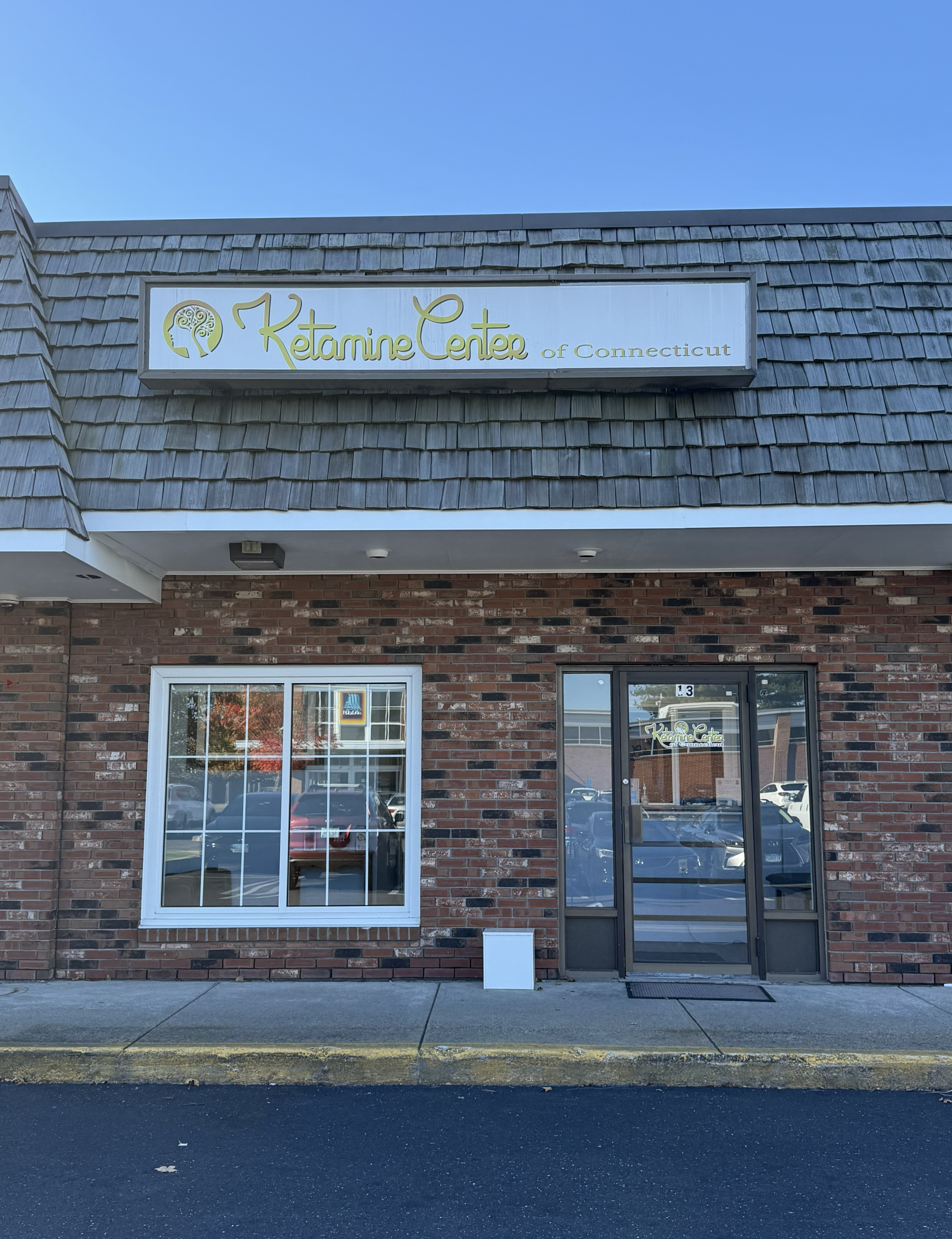
232 Boston Post Rd Suite 13, Milford, CT 06460
1720 Post Rd E Suite 222, Westport, CT 06880
Treatments are strictly supervised by a board-certified physician, Dr. Gino Ang. Ketamine is prescribed only for adults with major depressive disorder who have not responded adequately to at least two different antidepressants. All treatment sessions are conducted in a controlled clinical environment, and Ketamine is administered under the physician’s direct supervision.
Patients must follow strict protocols:
- Ketamine is prescribed and monitored only by a qualified physician.
- Treatment is delivered in-office with continuous medical oversight.
- Use of ketamine outside this controlled setting is unsafe and not permitted.
If you are experiencing symptoms of depression and want to explore ketamine treatment, please contact us to schedule a consultation at our Milford or Westport clinic. All care is personalized to ensure safety, efficacy, and adherence to clinical guidelines.





 Optimized by Seraphinite Accelerator