Ketamine and traditional antidepressants use different mechanisms to relieve depression. Ketamine blocks receptors that sometimes produce depressive symptoms, while traditional antidepressants increase the levels of transmitters that regulate our moods, sleep, and stress response.

This naturally raises important questions:

What is Ketamine Therapy

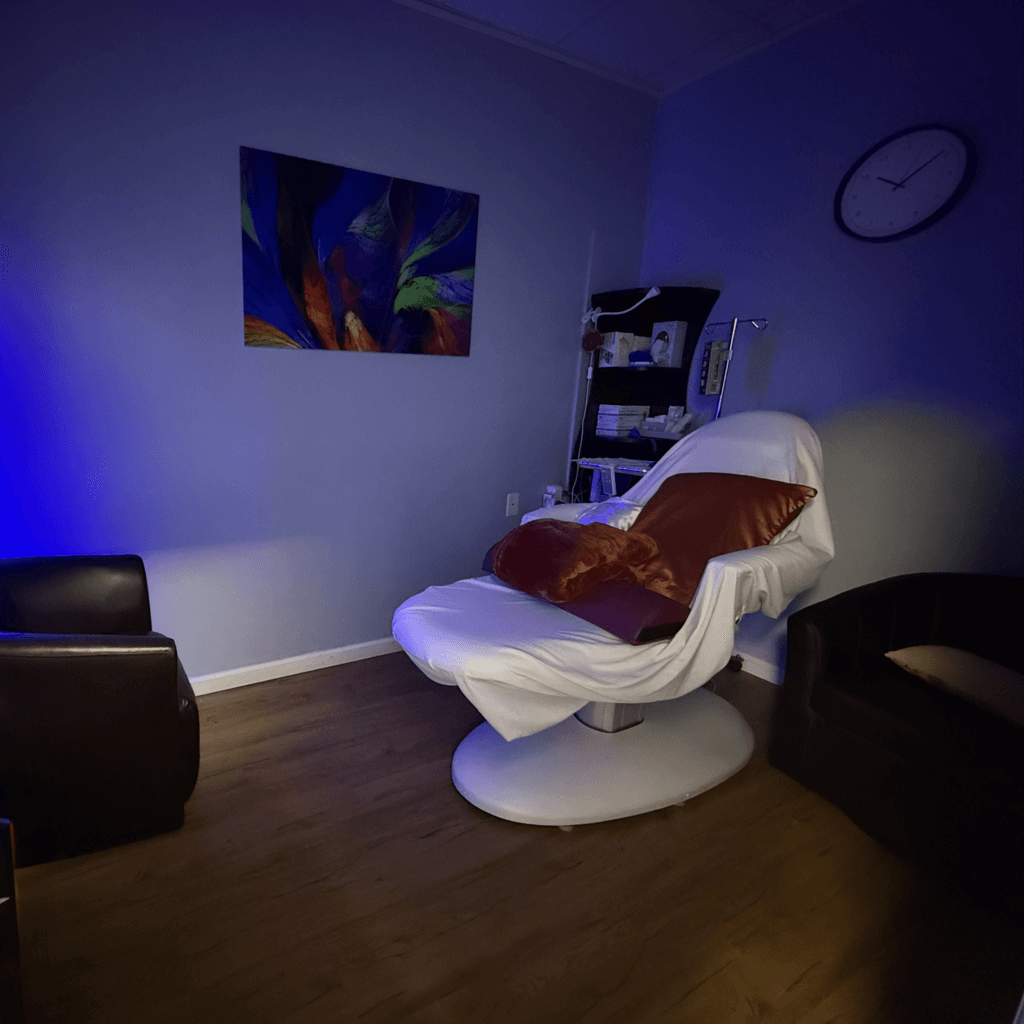
Room in blue light

Ketamine is a fast-acting medication originally developed as a general anesthetic. In recent years, it has been studied and used in controlled medical settings as a treatment option for depression, particularly for individuals with treatment-resistant depression. Research has shown that ketamine may reduce depressive symptoms and, in some cases, suicidal thoughts within hours after treatment.

Unlike traditional antidepressants, ketamine works through a different pathway in the brain. It affects N-methyl-D-aspartate (NMDA) receptors, which are involved in communication between brain cells. By blocking these receptors, ketamine triggers the release of glutamate, an important neurotransmitter that helps regulate brain activity and supports communication between neurons.

Glutamate plays a major role in learning, memory, and overall brain function. Increased glutamate activity may help strengthen neural connections and improve the brain’s ability to adapt and reorganize, a process known as neuroplasticity. These changes may contribute to the rapid antidepressant effects observed in some patients.

Researchers continue to study ketamine to better understand the biological processes involved in its effects on mood and mental health. In addition to its neurological impact, ketamine has also been associated with anti-inflammatory and pain-relieving properties.

As with any medical treatment, ketamine therapy may cause side effects. Some individuals may experience temporary symptoms such as dissociation, changes in perception, elevated blood pressure, increased heart rate, nausea, dizziness, headaches, or vomiting. Because of these potential effects, ketamine treatments are typically administered under medical supervision.

know more about our service and how it works

Traditional Antidepressants

Traditional antidepressants treat depression by influencing certain neurotransmitters in the brain. These chemicals include serotonin, norepinephrine, and dopamine. They play an important role in regulating mood, sleep, appetite, motivation, and the body’s response to stress.

There are several types of antidepressant medications, and each works in a slightly different way. Two of the most commonly prescribed types are SSRIs and SNRIs.

Selective serotonin reuptake inhibitors, or SSRIs, increase the amount of serotonin available in the brain. Higher serotonin levels are often associated with improved mood and emotional balance.

Serotonin norepinephrine reuptake inhibitors, or SNRIs, increase both serotonin and norepinephrine levels. These neurotransmitters influence mood, energy, and focus.

One important thing to understand about traditional antidepressants is that they do not work immediately. Many patients need to take the medication for several weeks before noticeable improvement occurs.

Some individuals may also experience side effects. These can include nausea, digestive discomfort, weight changes, fatigue, or reduced sexual desire. The effects can vary depending on the medication and the individual taking it.

Similarities Between Ketamine and Traditional Antidepressants

Ketamine therapy and traditional antidepressants share the same primary goal, reducing symptoms of depression and improving a person’s overall mental well being. Both treatments work by affecting chemical activity in the brain and are used to help regulate mood and emotional balance.

Another similarity is that both approaches are used as part of a broader mental health treatment plan. Patients are often encouraged to combine medication with psychotherapy, lifestyle changes, and ongoing medical supervision to achieve the best results.

Both treatments also require evaluation by a qualified healthcare professional before they are prescribed or administered. A patient’s medical history, current symptoms, and overall health are carefully considered to determine the most appropriate treatment option.

While ketamine therapy and traditional antidepressants work through different biological pathways, they are both intended to help patients regain stability, improve daily functioning, and support long term mental health recovery.

Ketamine and Traditional Antidepressants, The Differences

Ketamine therapy and traditional antidepressants differ in several important ways. Understanding these differences can help patients and healthcare providers decide which treatment may be more appropriate for a particular situation.

How quickly they work
Ketamine is known for its rapid effects. Some patients report improvement in mood within hours after treatment. Traditional antidepressants usually take longer. Many people need to take the medication for two to six weeks before noticeable improvement occurs.

How they affect the brain
These treatments act on different biological systems. Ketamine primarily affects NMDA receptors and the glutamate system in the brain, which may help improve communication between brain cells. Traditional antidepressants focus on increasing neurotransmitters such as serotonin, norepinephrine, or dopamine to support mood regulation.

Duration of treatment
Traditional antidepressants are often taken for long periods of time to help manage ongoing symptoms of depression. Ketamine therapy is usually given as a series of treatments over several weeks. Some forms of ketamine based therapy, such as esketamine, may be continued for longer periods depending on the treatment plan.

Where the treatment is given
Traditional antidepressants are prescribed by a physician and typically taken at home in pill form. Ketamine therapy is administered in a medical setting where trained professionals can monitor the patient during the session.

Type of depression treated
Ketamine therapy is often considered for individuals with treatment resistant depression. This refers to cases where patients have tried several traditional antidepressant treatments without sufficient improvement. Traditional antidepressants are commonly used as a first line treatment for people experiencing depression.

Finding the Right Approach for Depression Treatment

Ketamine therapy and traditional antidepressants both play important roles in treating depression. Each works in its own way and may benefit different patients depending on their symptoms, medical history, and response to previous treatments.

Traditional antidepressants are often used as a starting point for many individuals. These medications are widely prescribed and are typically taken over a longer period of time to help stabilize mood and manage symptoms.

Ketamine therapy offers a different approach. Because of its rapid effects, it may provide faster relief for some individuals, particularly those who have not responded well to conventional treatments. In some cases, patients may notice improvements in mood within a short period of time after treatment.

Choosing the most appropriate option usually depends on several factors, including previous treatment history, severity of symptoms, and guidance from a qualified healthcare professional. For many patients, medication alone is not the only part of recovery. Lifestyle adjustments such as improving sleep, maintaining physical activity, reducing stress, and participating in therapy can also support long term mental health.

Both ketamine therapy and traditional antidepressants can be valuable tools in depression treatment. When combined with healthy lifestyle changes and proper medical guidance, they may help individuals regain balance and improve their overall quality of life.


If you are searching for another option for depression treatment, feel free to contact our office for an initial screening. There is no obligation. Our team is here to provide information and support, and to help determine whether ketamine therapy may be a suitable option for you.

Is ketamine available at Ketamine Center of Connecticut?

Ketamine treatment is available at our two Connecticut locations:

232 Boston Post Rd Suite 13, Milford, CT 06460
1720 Post Rd E Suite 222, Westport, CT 06880

Treatments are strictly supervised by a board-certified physician, Dr. Gino Ang. Ketamine is prescribed only for adults with major depressive disorder who have not responded adequately to at least two different antidepressants. All treatment sessions are conducted in a controlled clinical environment, and Ketamine is administered under the physician’s direct supervision.

Patients must follow strict protocols:

  • Ketamine is prescribed and monitored only by a qualified physician.
  • Treatment is delivered in-office with continuous medical oversight.
  • Use of ketamine outside this controlled setting is unsafe and not permitted.

If you are experiencing symptoms of depression and want to explore ketamine treatment, please contact us to schedule a consultation at our Milford or Westport clinic. All care is personalized to ensure safety, efficacy, and adherence to clinical guidelines.

Take the Next Step Toward Relief

If you’ve been searching for a treatment that offers real, rapid, and lasting improvement even when other options haven’t helped ketamine therapy may be the answer. Our team is here to guide you with compassion, expertise, and personalized care every step of the way.
Scroll to Top