Ketamine has long been used as a medical anesthetic in hospital settings, administered by trained physicians. Outside of medicine, it has also been misused recreationally, which has contributed to confusion and misinformation about its role and safety.

In recent years, ketamine has gained attention for a very different reason: its medically supervised use in treating certain cases of depression, particularly when standard antidepressant medications have failed.

Ketamine is classified as a dissociative medication. In controlled clinical settings, this means it works on specific brain pathways involved in mood regulation and perception. When improperly used, dissociation can be dangerous. When carefully dosed and monitored by a qualified physician, it can be therapeutic.

Clinical evidence shows that ketamine may provide meaningful relief for individuals with severe, treatment-resistant depression. This is not a first-line treatment, nor is it appropriate for everyone. Its use requires careful patient screening, precise dosing, and continuous medical oversight.

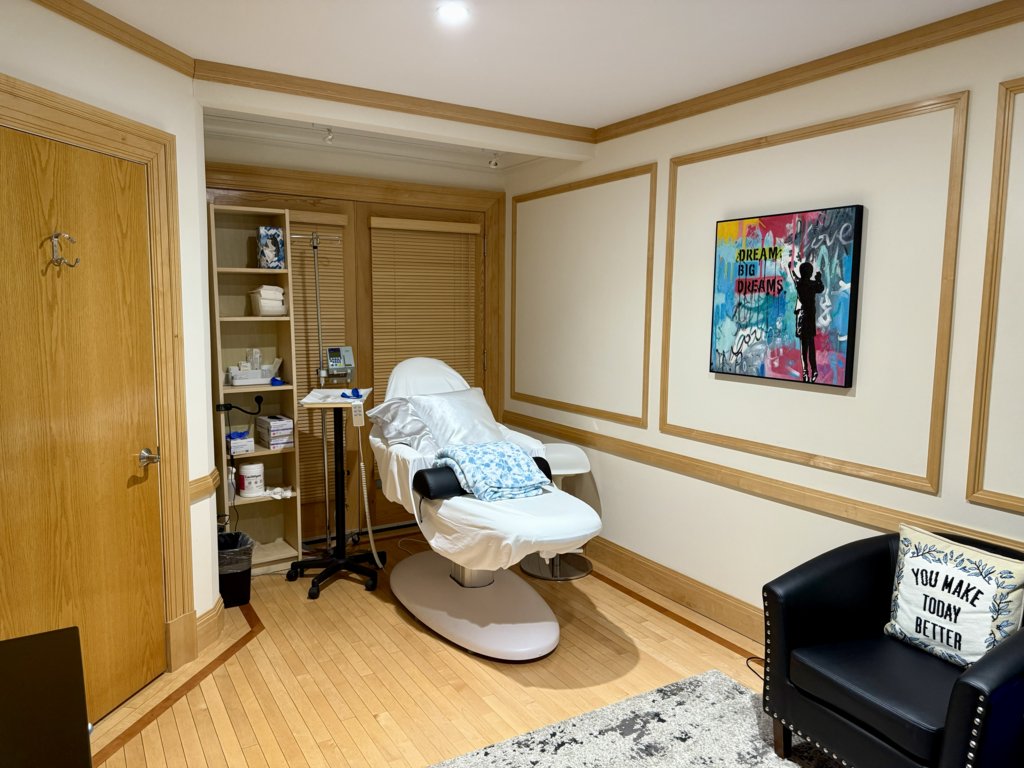
Room for patient

This naturally raises important questions:

How does ketamine work for depression?

Ketamine works differently from traditional antidepressants by targeting the brain’s glutamate system, which plays a key role in mood regulation and brain communication. This action may help restore neural pathways that are disrupted in severe depression.

Clinical studies show ketamine can reduce depressive symptoms rapidly, often within days, especially in patients who have not responded to standard treatments. Patients may experience relief from persistent sadness and suicidal thoughts.

Getting the dose and delivery right

The effectiveness and safety of ketamine depend heavily on proper dosing and medical supervision. Clinical research has explored different delivery methods, including intravenous infusion, injection, and nasal administration, with varying results.

Some studies show strong improvement when ketamine is administered by injection in a controlled clinical setting, particularly among patients with treatment resistant depression. Other approaches, such as unsupervised or poorly controlled nasal use, have led to significant side effects and inconsistent outcomes.

These findings reinforce a critical point. Ketamine is not a one size fits all treatment. It must be carefully dosed and administered by a certified physician with specialized training. At Ketamine Center of Connecticut, treatments are overseen by Dr. Gino Ang to ensure medical precision, patient safety, and clinically appropriate care.

What are the risks of ketamine?

Responses to ketamine treatment can vary from person to person. Even in clinical trials conducted under medical supervision, some patients experienced side effects, highlighting the importance of careful screening, dosing, and oversight.

There are also serious concerns around individuals attempting to self medicate using illicit ketamine. Outside of a medical setting, ketamine use carries significant risks and lacks the safeguards required for patient safety.

Like any prescribed medication, ketamine must be used exactly as directed. When used outside a structured medical program or without physician supervision, the risk of misuse increases. This is why reputable ketamine programs focus on strict protocols, physician oversight, and patient education.

Is ketamine available at Ketamine Center of Connecticut?

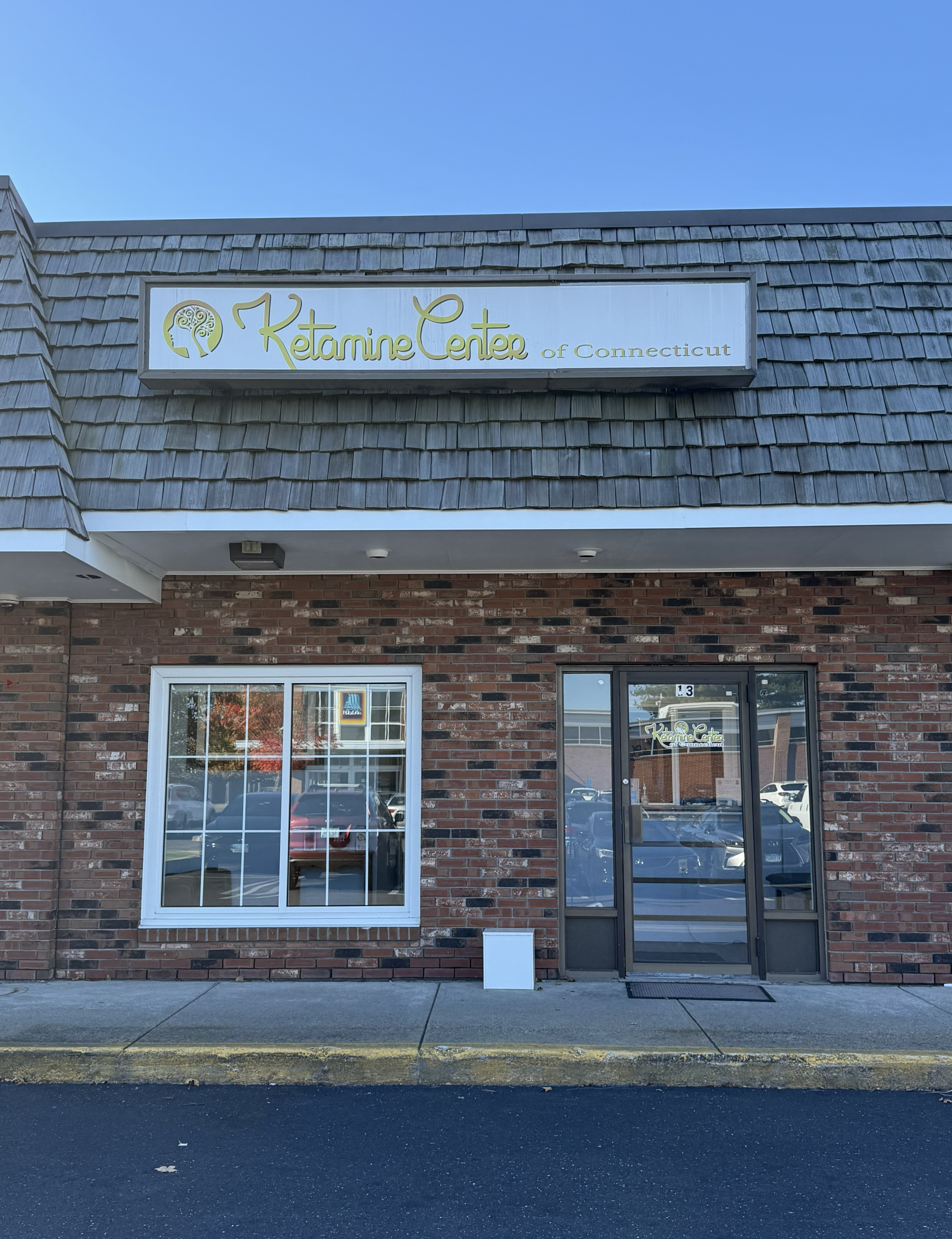
Ketamine treatment is available at our two Connecticut locations:

232 Boston Post Rd Suite 13, Milford, CT 06460
1720 Post Rd E Suite 222, Westport, CT 06880

Treatments are strictly supervised by a board-certified physician, Dr. Gino Ang. Ketamine is prescribed only for adults with major depressive disorder who have not responded adequately to at least two different antidepressants. All treatment sessions are conducted in a controlled clinical environment, and Ketamine is administered under the physician’s direct supervision.

Patients must follow strict protocols:

  • Ketamine is prescribed and monitored only by a qualified physician.
  • Treatment is delivered in-office with continuous medical oversight.
  • Use of ketamine outside this controlled setting is unsafe and not permitted.

If you are experiencing symptoms of depression and want to explore ketamine treatment, please contact us to schedule a consultation at our Milford or Westport clinic. All care is personalized to ensure safety, efficacy, and adherence to clinical guidelines.

Take the Next Step Toward Relief

If you’ve been searching for a treatment that offers real, rapid, and lasting improvement even when other options haven’t helped ketamine therapy may be the answer. Our team is here to guide you with compassion, expertise, and personalized care every step of the way.
Is Ketamine Safe Featured Image

Is Ketamine Safe?

Learn about the safety and benefits of ketamine therapy at Ketamine CT. Discover how our expert care ensures a safe, effective treatment experience in Connecticut.

Read More »
Scroll to Top