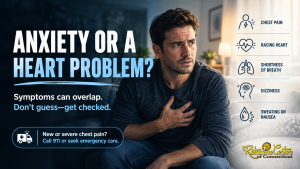
Anxiety Symptoms People Mistake for a Heart Problem
can anxiety cause chest pain, anxiety or heart attack how to tell, heart palpitations anxiety, SVT misdiagnosed as anxiety, why do my hands tingle during panic attack, non-cardiac chest pain
While IV ketamine functions as a dissociative anesthetic to initiate rapid chemical changes in the brain, it is the environment that influences how your mind handles the experience. Because ketamine temporarily separates you from ordinary physical and environmental awareness, your nervous system becomes highly sensitive to external stimuli during this window of accelerated neuroplasticity.
At the Ketamine Center of CT, Dr. Gino Ang, MD, uses evidence-based sensory tools to turn this highly adaptable state into a safe path for recovery. By controlling factors like sound and lighting, our clinics minimize harsh clinical stressors and replace them with therapeutic inputs that actively reduce anxiety and enhance healing outcomes.
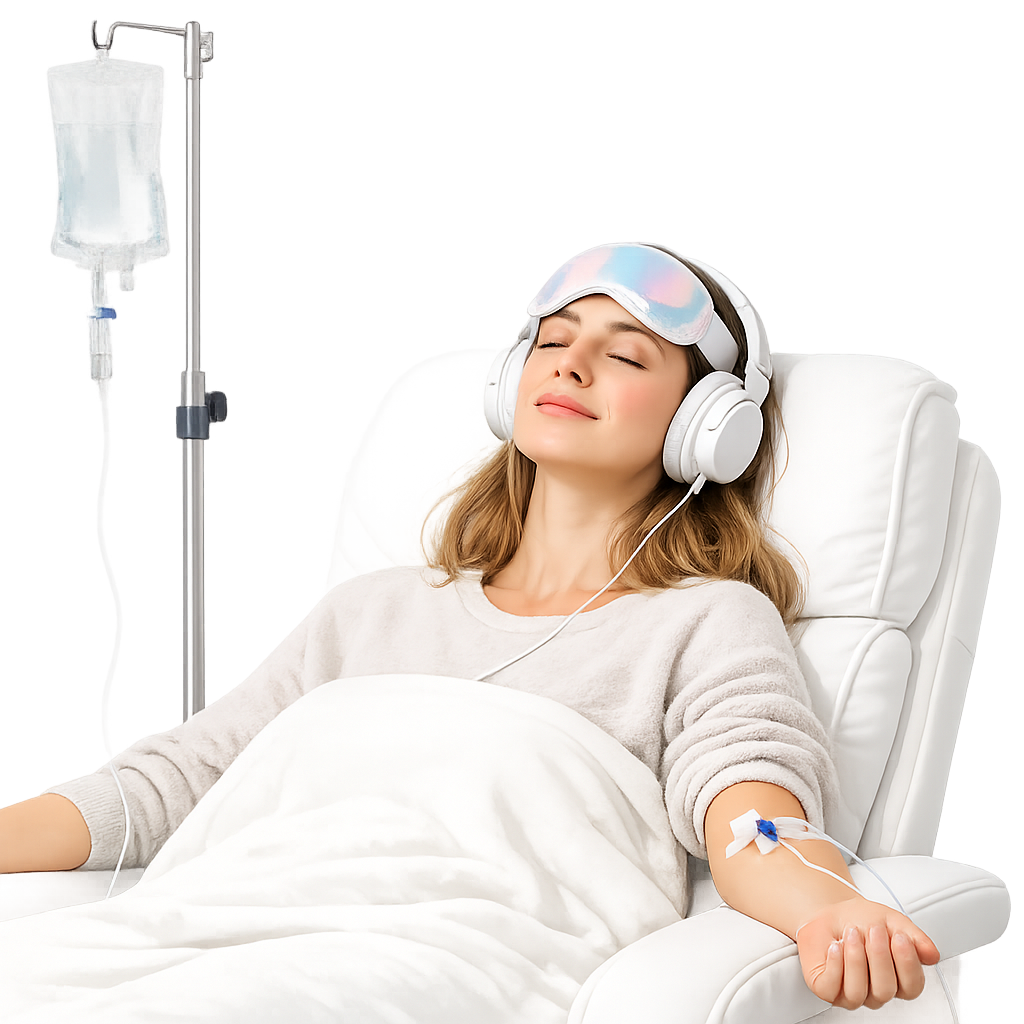
While ketamine promotes rapid neurobiological changes, it temporarily triggers the body’s fight-or-flight response, which can cause treatment-limiting side effects like spiked vital signs or acute distress. Recent studies confirm that music acts as a non-drug medical variable to safely anchor the nervous system:
Leaving a patient in silence or relying on random ambient noise leaves the nervous system completely unanchored during a dissociative state. Many providers treat music as a luxury amenity rather than a clinical tool, utilizing generic backgrounds that fail to match the medicine’s distinct onset, peak, and comedown phases.
During a ketamine session, curated music functions as a “hidden therapist” by providing a structured, non-verbal container that guides you through difficult emotions and supports release. Instead of forcing you to consciously direct your thoughts, a well-designed playlist offers a gentle narrative arc for your internal journey helping you move smoothly through phases of psychological opening, deep exploration, and final integration.
To achieve this, the style of audio used is incredibly specific. Clinical research published in Psychopharmacology notes that therapeutic music must be “evocative and non-lyrical” to support a peak experience. Fully instrumental and ambient soundscapes are preferred because spoken lyrics can easily trigger literal, distracting associations. Avoiding lyrics helps soften rigid cognitive control and prevents the analytical mind from engaging when the goal is deep emotional processing.
An effective clinical playlist serves as a rhythmic scaffold that perfectly mirrors ketamine’s pharmacological timeline:
Every sensory input in the treatment room—from lighting to touch to temperature—is carefully calibrated to signal safety and support deep introspection. The international Reporting of Setting in Psychedelic Clinical Trials (ReSPCT) guidelines identify 30 distinct environmental and procedural factors that actively shape patient outcomes, proving that physical surroundings, session structure, and the therapeutic framework are core components of medical care.
To turn these clinical guidelines into a relaxing real-world experience, specific sensory-design tools are utilized to intentionally lower anxiety and deepen the therapeutic process:
A calm, enriched environment biologically amplifies the neuroplastic potential of ketamine therapy marking the exact point where neuroscience and intentional clinic design converge. Ketamine initiates rapid healing by triggering the production of Brain-Derived Neurotrophic Factor (BDNF). BDNF is a crucial protein that acts like fertilizer for the brain, supporting the growth of new neurons and repairing damaged neural connections.
Neurological research shows that music stimulation itself actively increases BDNF expression in the brain. When structured audio is combined with ketamine, it creates a powerful synergistic effect where sound and chemistry work in harmony to open new pathways for cognitive change.
Conversely, a stressful, noisy, or chaotic clinic environment spikes cortisol, the body’s primary stress hormone. Elevated cortisol levels can directly impair neuroplasticity and counteract the cellular benefits of the treatment. This is why therapeutic music protocols and sensory-assisted healing are not luxury amenities they are critical, evidence-based mechanisms that protect and support the biological work ketamine is doing at the cellular level.
An intentional clinical environment offers a depth of safety, medical oversight, and psychological focus that simply cannot be replicated in a home setting or a standard, sterile medical office.
While at-home ketamine services have grown in popularity, they come with unpredictable environmental variables. Everyday home distractions—such as pets, ringing doorbells, deliveries, or family members—frequently interrupt sessions. These disruptions fragment your attention and prevent the deep, uninterrupted surrender required for meaningful therapeutic work. Furthermore, home environments lack immediate, hands-on clinical support if an intense emotional or physical response occurs.
Conversely, some high-volume clinics swing too far in the other direction, leaving patients to scroll on their phones or watch television during their sessions. Engaging with screens keeps the brain locked in its default mode network the exact state of rigid, analytical thinking that ketamine is meant to temporarily quiet. This prevents the mind from entering a true processing mode where deeper emotions and memories can safely surface and be integrated.
A dedicated therapeutic space, designed from the ground up with evidence-based sensory inputs, provides the ultimate container for healing. It removes the everyday stressors of a familiar home environment and replaces them with a controlled, deeply comforting atmosphere that honors the courage it takes to pursue this treatment.
Because ketamine temporarily alters your perception and relaxes your body, you are strictly prohibited from driving or operating machinery for the rest of the day following your infusion.
For your safety and absolute peace of mind, you must arrange for a trusted friend, family member, or ride service to take you home after your session. Your safety is our highest priority, and we require this plan to be in place before your treatment begins.
No, music does not alter the physical chemistry of the medicine, but it directly enhances how your brain responds to it. Ketamine chemically opens a temporary window of rapid brain adaptability (neuroplasticity) by releasing a healing protein called BDNF. Because structured music also stimulates BDNF while keeping stress hormones low, sound and chemistry work together to maximize your brain’s ability to rewire itself and heal.
Eye masks are highly recommended because they eliminate external visual distractions and safely direct your attention inward. Because ketamine is a dissociative anesthetic that temporarily shifts your ordinary physical awareness, blocking out the room allows your nervous system to fully relax. This sensory reduction prevents your analytical mind from engaging with the room, supporting deeper emotional processing and mental comfort.
Unlike a sterile, high-traffic medical office or an unpredictable at-home setting, a dedicated therapeutic space is entirely calibrated around the clinical science of “set and setting.” Every sensory input—including dim, indirect lighting, climate-controlled rooms, evidence-based non-lyrical music, and deep-relaxation zero-gravity chairs—is medically engineered to signal primal safety to your nervous system. This intentional design reduces fight-or-flight anxiety, ensuring you can safely surrender to the treatment while receiving continuous, hospital-grade vital monitoring by specialized medical staff.
Yes. While our clinic provides curated, research-backed clinical soundscapes designed for the ketamine pharmacological timeline, patients are welcome to bring their own instrumental playlists.
Eye masks eliminate visual distractions, encouraging your mind to focus inward. Combined with music, eye masks help facilitate a deeper, more therapeutic dissociative state.
When choosing the right ketamine clinic, the small details matter just as much as the medical expertise. The environment where you receive treatment is not just a backdrop—it is an active component of your care. Selecting a clinic that utilizes evidence-based music protocols and intentional sensory design directly increases the healing effects of the medicine while maintaining deep calmness throughout your session.
Your courage in seeking treatment deserves an environment that fully honors the depth of the work you are doing. At the Ketamine Center of CT, Dr. Gino Ang, MD, and our medical team ensure that every detail of your IV ketamine infusion or Spravato esketamine session is medically and environmentally optimized to support your safety, comfort, and long-term recovery.
If you are ready to explore how IV ketamine therapy or Spravato can help you break free from treatment-resistant depression or anxiety, our team is here to guide you.
Schedule a Private Consultation at Our Milford or Westport Clinic
Ketamine treatment is available at our two Connecticut locations:
232 Boston Post Rd Suite 13, Milford, CT 06460
1720 Post Rd E Suite 222, Westport, CT 06880
Treatments are strictly supervised by a board-certified physician, Dr. Gino Ang. Ketamine is prescribed only for adults with major depressive disorder who have not responded adequately to at least two different antidepressants. All treatment sessions are conducted in a controlled clinical environment, and Ketamine is administered under the physician’s direct supervision.
Patients must follow strict protocols:
If you are experiencing symptoms of depression and want to explore ketamine treatment, please contact us to schedule a consultation at our Milford or Westport clinic. All care is personalized to ensure safety, efficacy, and adherence to clinical guidelines.

Board-Certified Anesthesiologist
This content was reviewed for medical accuracy by Dr. Gino of the Ketamine Center of CT. This information is for educational purposes and is not a substitute for professional medical advice, diagnosis, or treatment. Use of this site does not establish a doctor-patient relationship.
can anxiety cause chest pain, anxiety or heart attack how to tell, heart palpitations anxiety, SVT misdiagnosed as anxiety, why do my hands tingle during panic attack, non-cardiac chest pain
One of these terms is in the DSM-5-TR and one is not. How to tell the difference, why the wording changes what gets treated, and what actually works for panic.
Why no alcohol for 24 hours before a ketamine infusion, what happens if you drank last night, and why daily drinkers should never stop on their own first.
Why no alcohol for 24 hours before a ketamine infusion, what happens if you drank last night, and why daily drinkers should never stop on their own first.
Complex PTSD adds three symptoms PTSD does not cover, and it is not in the DSM-5. A physician explains the difference and why it changes your treatment plan.
Pure O is not really obsessions without compulsions. A physician explains mental compulsions, why the thoughts do not mean what you fear, and what treatment works.