Why Do Standard Antidepressants Fail for So Many People?
Depression Is Not One-Size-Fits-All
Traditional antidepressants (like SSRIs and SNRIs) operate on a single primary theory: that adjusting brain chemistry via neurotransmitters like serotonin will lift depressive symptoms.
The issue is that depression isn’t uniform. For many individuals, the underlying driver isn’t a serotonin deficit at all—it is rooted in chronic brain inflammation, neural connectivity gaps, or stress-hormone deregulation. If a medication is built for a biological pathway your body isn’t using, it cannot produce a clinical response.
The Slow Start Becomes a Costly Delay
Even when a medication is well-matched to a person’s biology, conventional antidepressants typically take four to eight weeks to produce a noticeable effect and that’s only after the right dose has been found. If the first medication doesn’t work, the process starts over with a new one. For someone in crisis, that trial-and-error timeline can mean months or years of continued suffering while searching for the right fit.
Research Has Tracked This Problem Directly
One of the most influential studies on this exact issue, the STAR*D trial, followed patients through multiple rounds of antidepressant treatment to see how many achieved remission at each stage. The pattern was sobering: with each failed medication trial, the odds of the next one working went down, and that decline became especially steep after the second unsuccessful attempt. For the patients who did eventually reach remission, staying well became the next challenge, since relapse risk remained a concern even after symptoms improved.
This research helped shift the conversation in psychiatry. Rather than assuming every patient would eventually respond if enough medications were tried, it became clear that a meaningful subset of people needed a fundamentally different therapeutic approach not just another pill in the same category.
What Comes Next: Modern Options Beyond the Standard Antidepressant
The good news is that “resistant” doesn’t mean “untreatable.” Several approaches have demonstrated real effectiveness for people who haven’t responded to conventional antidepressants.
Ketamine and Esketamine Therapy
Ketamine works on a completely different brain pathway than traditional antidepressants. Instead of targeting serotonin or norepinephrine directly, it acts on the brain’s glutamate system and is believed to promote neuroplasticity essentially helping the brain form new neural connections and break out of the rigid, self-reinforcing patterns associated with chronic depression. Because of this different mechanism, ketamine can help some people who have not responded to two, three, or more standard medications.
One of the most clinically meaningful aspects of ketamine treatment is its speed. While SSRIs may take weeks to show any benefit, ketamine has been shown in numerous studies to rapidly ease depressive symptoms and reduce suicidal thinking, often within hours or days of a single infusion, with effects that can last roughly a week per session. This is part of why ketamine has become an important option specifically for people who have already been through the standard medication process without success.
Electroconvulsive Therapy (ECT)
ECT remains one of the most effective treatments available for severe, treatment-resistant depression. While it carries a reputation shaped by outdated portrayals, modern ECT is performed under anesthesia with careful monitoring and has a strong track record for patients who haven’t responded to medication.
Repetitive Transcranial Magnetic Stimulation (rTMS)
rTMS uses magnetic pulses to stimulate specific regions of the brain associated with mood regulation. It’s non-invasive, doesn’t require anesthesia, and has become a well-established option for treatment-resistant cases, often used in a series of sessions over several weeks.
Adjunctive Medication Strategies
Sometimes the answer isn’t switching medications entirely but adding a second agent such as an atypical antipsychotic or a mood stabilizer alongside an existing antidepressant. This combination approach can sometimes produce a response that neither medication achieved on its own.
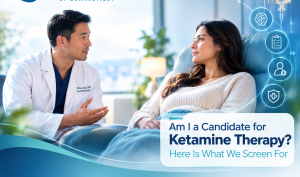
How to Know If Ketamine Therapy Might Be Right for You
Ketamine therapy is generally considered for adults who have tried at least two antidepressant medications without adequate relief, and who are looking for an evidence-based option with a different mechanism of action. It’s typically administered in a controlled clinical setting with monitoring throughout the session, since dosing, safety screening, and supervision all matter for getting a good outcome.
If you’ve been cycling through medications without the relief you were hoping for, that experience doesn’t mean treatment has failed it may simply mean it’s time to explore an approach built around a different understanding of how depression takes hold in the brain. A free consultation is the most direct way to find out whether you’re a candidate
Is ketamine available at Ketamine Center of Connecticut?
Mandatory Patient Safety & Driving Protocol:
Because ketamine is a potent anesthetic that temporarily impacts your reflexes, motor coordination, and visual perception, you must strictly follow these safety rules:
Pre-Arranged Transport Required: You are explicitly prohibited from driving yourself home after an infusion. You must arrange for a trusted friend, family member, or rideshare service to pick you up from the clinic.
The 24-Hour Rule: Do not drive, operate heavy machinery, or make major legal/financial decisions for the remainder of the treatment day. You may safely resume driving the following calendar day only after a full night of restful sleep.
Strictly In-Office: Use of ketamine outside our controlled clinical environment is unsafe and strictly prohibited.
If you are experiencing symptoms of depression and want to explore treatment safely, please contact us to schedule a consultation at our Milford or Westport clinic. All care is personalized to ensure absolute clinical efficacy and patient safety.
Ketamine treatment is available at our two Connecticut locations:
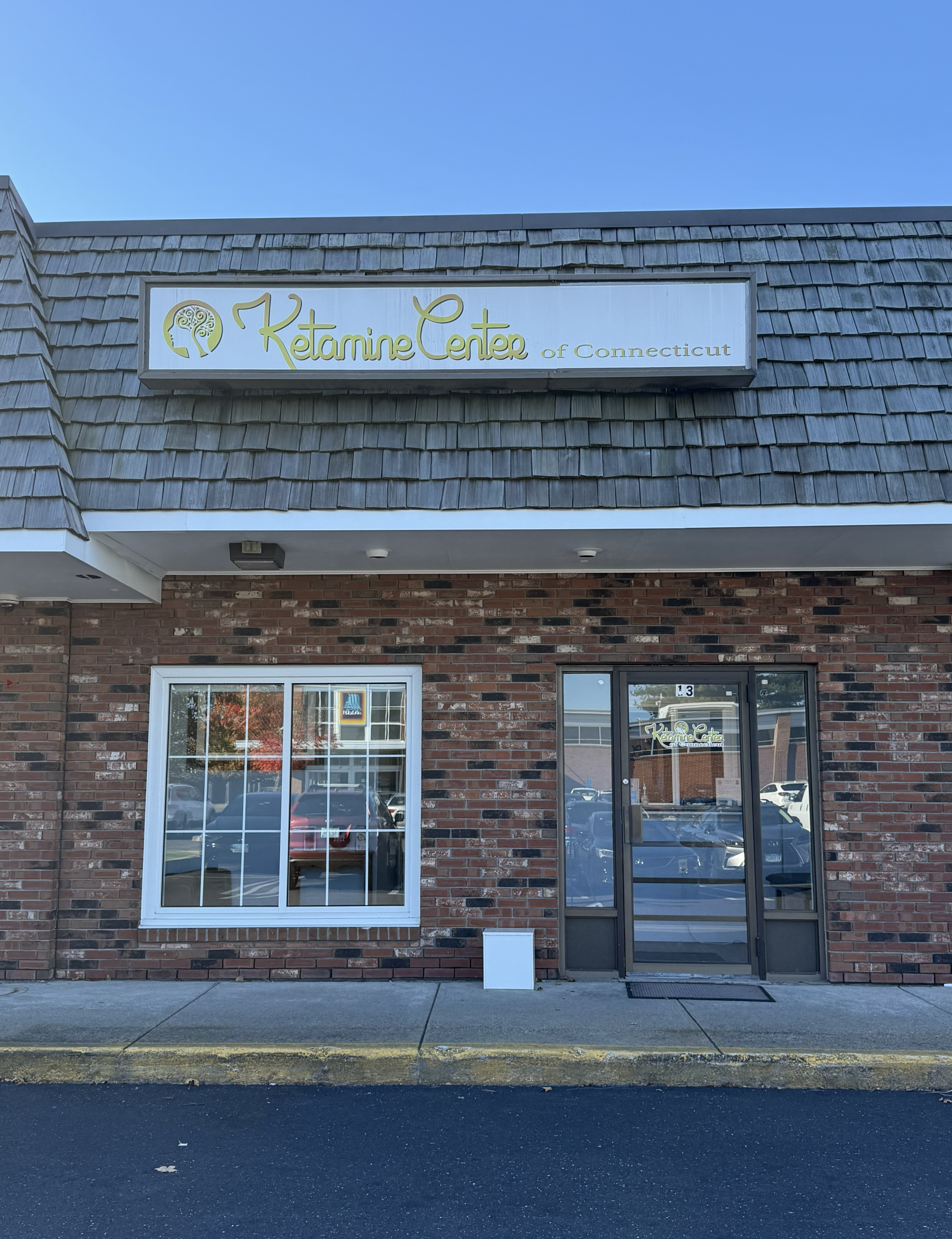
232 Boston Post Rd Suite 13, Milford, CT 06460
1720 Post Rd E Suite 222, Westport, CT 06880
Treatments are strictly supervised by a board-certified physician, Dr. Gino Ang. Ketamine is prescribed only for adults with major depressive disorder who have not responded adequately to at least two different antidepressants. All treatment sessions are conducted in a controlled clinical environment, and Ketamine is administered under the physician’s direct supervision.
Patients must follow strict protocols:
- Ketamine is prescribed and monitored only by a qualified physician.
- Treatment is delivered in-office with continuous medical oversight.
- Use of ketamine outside this controlled setting is unsafe and not permitted.
If you are experiencing symptoms of depression and want to explore ketamine treatment, please contact us to schedule a consultation at our Milford or Westport clinic. All care is personalized to ensure safety, efficacy, and adherence to clinical guidelines.