
Am I a Candidate for Ketamine Therapy? Here Is What We Screen For
A board-certified anesthesiologist explains who qualifies for ketamine infusion therapy, what we screen for, and who we turn away. Milford & Westport, CT.

Most people who call our Milford or Westport office ask some version of the same question before they ask
about anything else. Not the cost. Not what it feels like. They ask whether they would even qualify.
It is a fair question, and it deserves a real answer instead of a vague one. Ketamine infusion therapy is not right
for everyone, and part of my job as the physician running this practice is to say so plainly when it is not. What
follows is the honest version of how we decide, based on the screening we do before anyone sits in one of our
infusion chairs.
Ketamine therapy is generally considered for people who have tried at least two antidepressants without getting
adequate relief, who are medically stable enough for a treatment that briefly raises heart rate and blood
pressure, and who are working with a prescriber or therapist who stays involved in their care.
That is the starting point. The rest of this article is what sits underneath it.

Over more than 10,000 infusions, a pattern shows up in the people who tend to do well here. They usually look something like this:
They have a diagnosis from a treating provider. Depression, anxiety, PTSD, OCD, or bipolar depression, made by someone who knows their history.
They have given standard treatment a real try. Two or more medications at proper doses, for long enough to know whether they worked.
Their symptoms are persistent rather than situational. A rough few weeks after a hard life event is different from three years of not feeling like yourself.
They can commit to the schedule. The initial series is six infusions over about two to three weeks. Coming for two and then disappearing rarely produces a result worth having.
They have someone to drive them home. This is not negotiable, and I will come back to it.
You do not need to check every box. Plenty of people come to us with something unusual in their history and still turn out to be good candidates. But if none of the above describes you, a consultation is still the right next step, just possibly toward a different treatment.
Screening is where an anesthesiology background matters. Ketamine is a medication I have used in operating rooms for years, and the things that make it safe are not mysterious. They are just things somebody has to actually check.
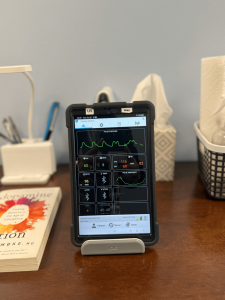
Ketamine temporarily raises heart rate and blood pressure during the infusion. In a healthy cardiovascular system this is a non-event. In someone with poorly controlled hypertension, unstable angina, a recent heart attack, or a known aneurysm, it is not.
So we take a blood pressure reading before every single infusion, not just at the consultation. If your numbers are high on the day, we may delay treatment until your primary care doctor or cardiologist has them in a better range. That has happened, and the patients were not thrilled about it at the time. It is still the right call.
Well-managed high blood pressure on medication is usually fine. Uncontrolled high blood pressure is a reason to wait, not a permanent disqualification.
Two things we pay close attention to here.
The first is any history of psychosis. Ketamine produces temporary changes in perception by design, and in someone with schizophrenia or a psychotic disorder, that is a risk rather than a therapeutic effect. This is generally an exclusion.
The second is bipolar disorder. We do treat bipolar depression, and some patients respond well. But if you are currently in a manic or hypomanic episode, this is the wrong moment. We want you stable, on a mood stabilizer, and coordinated with your psychiatrist before we begin.
If you are having active thoughts of suicide, that does not rule you out. Ketamine has been studied specifically for reducing suicidal thinking, and often works quickly for it. What it does mean is that we need your psychiatrist or therapist actively involved, because an infusion series is one part of a safety plan, not a replacement for one.
Ketamine is processed by the liver, so significant liver disease changes how we approach dosing and sometimes rules treatment out. Untreated overactive thyroid raises the same cardiovascular concerns as uncontrolled blood pressure. Pregnancy and breastfeeding are exclusions.
We also ask about sleep apnea, prior reactions to anesthesia, and any history of bladder or urinary problems. None of these are automatic no’s. They are things I would rather hear about at the consultation than discover during an infusion.
Bring your full list. All of it, including supplements and anything you take occasionally. There are two medications I ask about specifically.
Benzodiazepines. Drugs like Xanax, Ativan, and Klonopin work on a brain pathway that appears to blunt ketamine’s effect for some people. The research is not fully settled, but enough clinical experience points the same direction that we take it seriously. We may ask you to hold your dose on infusion days, or work with your prescriber on tapering. Do not stop a benzodiazepine on your own. That is genuinely dangerous, and it is a conversation for your prescriber and us together.
Lamotrigine. Some studies suggest it may reduce ketamine’s effect. Others do not show much difference. We do not ask people to stop a mood stabilizer that is helping them, but we do factor it into how we dose and what we expect.
Most other psychiatric medications, including SSRIs and SNRIs, are fine to continue. Ketamine is typically used alongside them rather than instead of them.
This part of the conversation is not a moral one, and nobody here is going to lecture you. It is a safety question. Alcohol and recreational substances interact unpredictably with ketamine, and heavy ongoing use makes both dosing and outcomes harder to judge.
We require no alcohol or recreational substances for at least 24 hours before a session. If you are in active recovery, tell us. Ketamine is a controlled substance with a real, if low, misuse potential in uncontrolled settings, and that deserves an honest discussion rather than a box you tick on a form.
These are different, and I want to be clear about which is which.
Usually a “not yet”: uncontrolled blood pressure, a current manic episode, an active infection, a recent cardiac event, an unstable medication situation, or no established prescriber involved in your care. These are things that can change, sometimes within a few weeks.
Usually a “no”: a history of schizophrenia or psychotic disorder, pregnancy, severe liver disease, or a serious cardiovascular condition that makes a transient rise in blood pressure unsafe.
If I tell you this is not the right treatment for you, I will tell you why, and I will point you toward what might be a better fit. Sending someone home with nothing is not care.
You cannot drive yourself home. Ketamine temporarily affects coordination, reflexes, and perception. You need a responsible adult to accompany you and take you home, and a rideshare on its own does not meet that standard. Your driver is welcome to wait in our reception area. Work out who that person is before you book, because this is the single most common reason an appointment has to be rescheduled.
You need to fast. No solid food for at least six hours before your session, and clear liquids only up until two hours before. This is standard practice for reducing nausea, and it is the same principle I have followed in every operating room I have worked in.
It is a conversation, not a test you can fail.
We go through your diagnosis and how long you have had it, every medication you have tried and what happened with each one, your current prescriptions, your medical history, and your blood pressure and cardiac history in detail. We ask who else is on your care team and whether we can coordinate with them. We talk about what you are hoping for, which matters more than people expect, because unrealistic expectations are their own kind of problem.
Then we tell you what we think. Sometimes that is yes and here is the schedule. Sometimes it is yes but let us get your blood pressure sorted first. Sometimes it is no, and here is who I would talk to instead.
You are not committing to anything by having this conversation.
Because ketamine temporarily alters your perception and relaxes your body, you are strictly prohibited from driving or operating machinery for the rest of the day following your infusion.
For your safety and absolute peace of mind, you must arrange for a trusted friend, family member, or ride service to take you home after your session. Your safety is our highest priority, and we require this plan to be in place before your treatment begins.
A referral is not required to book a consultation. That said, we strongly prefer to coordinate with your existing prescriber or therapist, because ketamine works best as part of ongoing care rather than on its own. If you do not currently have a provider, tell us during the consultation and we can talk through options.
I have high blood pressure. Does that automatically disqualify me?
No. Controlled high blood pressure on medication is common among our patients and is generally not a barrier. Uncontrolled high blood pressure is a reason to wait until your readings improve. We check your blood pressure before every infusion, so this gets monitored throughout, not just once at the start.
It may reduce the effect for some people, but it does not rule you out. We will ask about your dose and timing and may suggest adjustments on infusion days, always in coordination with the doctor who prescribes it. Never stop a benzodiazepine on your own.
I have bipolar disorder. Can I still be treated?
Often yes, for the depressive phase, with your psychiatrist involved and a mood stabilizer in place. If you are currently manic or hypomanic, we will wait until you are stable.
It happens, and we will tell you honestly rather than sell you more sessions. Most people who respond notice something within the first two or three infusions. If you reach the end of the initial series with no meaningful change, we will say so and help you look at other options such as Spravato, TMS, or a different medication strategy with your psychiatrist.
Younger patients are evaluated on a case by case basis, with a parent or guardian involved and in coordination with the treating psychiatrist. Call the office and we will walk you through what that looks like.
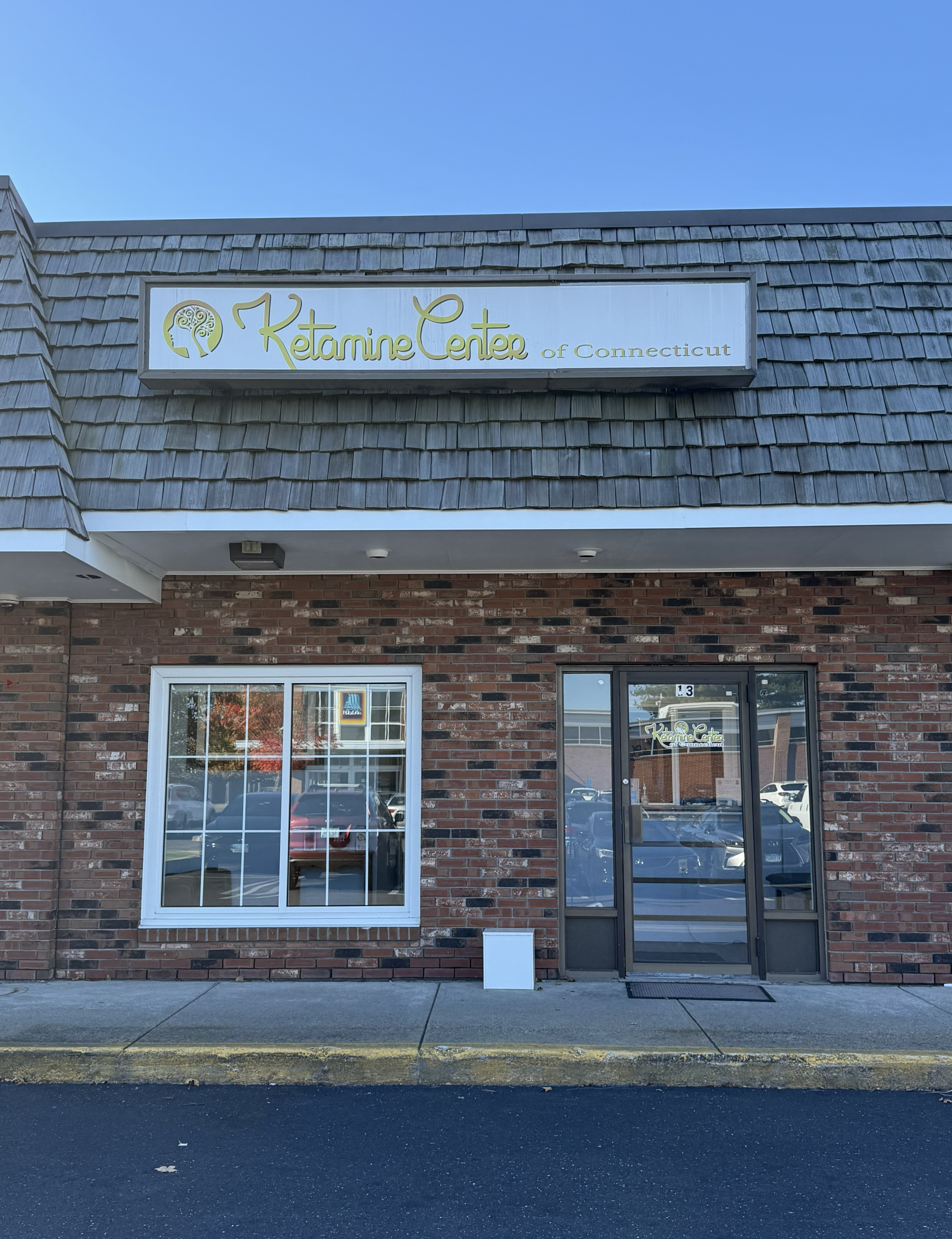
232 Boston Post Rd Suite 13, Milford, CT 06460
1720 Post Rd E Suite 222, Westport, CT 06880
Treatments are strictly supervised by a board-certified physician, Dr. Gino Ang. Ketamine is prescribed only for adults with major depressive disorder who have not responded adequately to at least two different antidepressants. All treatment sessions are conducted in a controlled clinical environment, and Ketamine is administered under the physician’s direct supervision.
Patients must follow strict protocols:
If you are experiencing symptoms of depression and want to explore ketamine treatment, please contact us to schedule a consultation at our Milford or Westport clinic. All care is personalized to ensure safety, efficacy, and adherence to clinical guidelines.

Board-Certified Anesthesiologist
This content was reviewed for medical accuracy by Dr. Gino of the Ketamine Center of CT. This information is for educational purposes and is not a substitute for professional medical advice, diagnosis, or treatment. Use of this site does not establish a doctor-patient relationship.
A board-certified anesthesiologist explains who qualifies for ketamine infusion therapy, what we screen for, and who we turn away. Milford & Westport, CT.
Struggling with severe anxiety or panic attacks? Discover how IV ketamine therapy breaks fear loops, promotes neuroplasticity, and offers rapid relief.

Struggling to tell depression and anxiety apart? Learn key differences and how IV ketamine targets shared neural pathways to relieve both conditions.
Struggling to tell depression and anxiety apart? Learn key differences and how IV ketamine targets shared neural pathways to relieve both conditions.

Curious about what a ketamine therapy session actually feels like? Discover the timeline, sensations, and how we ensure your complete comfort and safety.

Curious about what a ketamine therapy session actually feels like? Discover the timeline, sensations, and how we ensure your complete comfort and safety.
 Optimized by Seraphinite Accelerator